

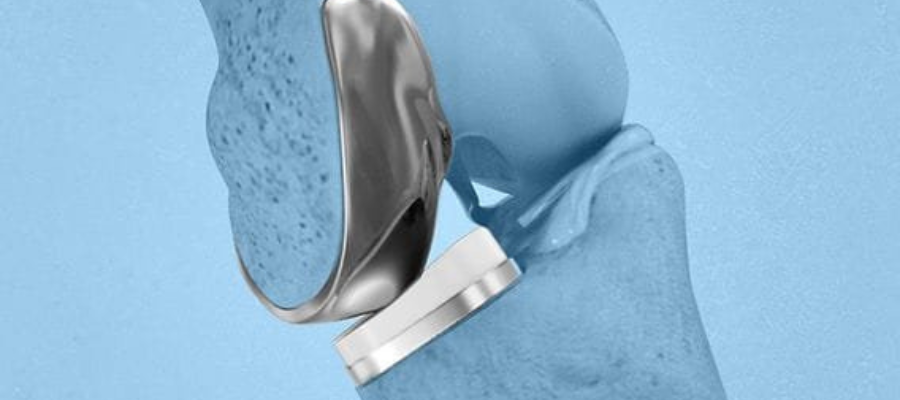
What is Partial Knee Replacement?
Partial Knee Replacement (PKR), also known as unicompartmental knee replacement, is a modern surgical procedure used to treat damage limited to one part of the knee joint. It is recommended for selected patients in whom arthritis or joint damage affects only a single compartment of the knee.
During the procedure, a small incision is made, and only the damaged portion of the knee joint is replaced with an artificial implant, while the healthy bone, cartilage, and ligaments are preserved.
Why Partial Knee Replacement?
Partial Knee Replacement is recommended for patients whose knee damage or arthritis is limited to a single compartment of the knee. Instead of replacing the entire joint, this procedure targets only the affected area, preserving the healthy bone, cartilage, and ligaments.
By maintaining more of the knee’s natural structure, Partial Knee Replacement offers better joint movement, faster recovery, and a more natural-feeling knee compared to total knee replacement, when appropriately indicated.
This procedure is ideal for selected patients who wish to regain mobility, reduce pain, and return to daily activities with less surgical trauma and quicker rehabilitation
Advantages of Partial Knee Replacement
- Preservation of healthy bone and ligaments
- Less blood loss
- Faster recovery and rehabilitation
- More natural knee movement
- Shorter hospital stay
- Reduced post-operative pain
How is Partial Knee Replacement Performed?
Although Partial Knee Replacement is less invasive than total knee replacement, it is still performed in a fully equipped operating theatre using advanced surgical techniques and anesthesia.
More or less, you will go through the following steps if you opt for a Partial Knee Replacement:
- A medical professional will administer spinal or general anesthesia, depending on your medical condition.
- The surgeon will make a small incision over the knee joint.
- The damaged cartilage and bone from the affected compartment are carefully removed.
- The joint surface is prepared to fit the artificial implant.
- Specialized metal and medical-grade plastic components are positioned to replace the damaged area.
- The surgeon checks knee alignment, stability, and range of motion.
The incision is closed using sutures or staples, and a sterile dressing is applied.
Recovery
Partial Knee Replacement generally allows for faster recovery compared to total knee replacement. Most patients are encouraged to start walking with support within 24 hours after surgery.
Mild pain, swelling, and stiffness may be experienced during the initial recovery period and are managed with medications, ice therapy, and guided physiotherapy. Surgical dressings are changed as advised, and stitches or staples are removed once healing is satisfactory.
Common FAQs
Partial Knee Replacement replaces only the damaged portion of the knee, preserving healthy bone and ligaments, whereas Total Knee Replacement involves replacing the entire knee joint.
Patients with arthritis or joint damage limited to one compartment of the knee, with intact ligaments and good knee stability, may be suitable candidates for Partial Knee Replacement.
With modern implant designs and proper care, partial knee replacements can last 10–15 years or longer, depending on activity level and overall joint health.
Yes. Physiotherapy is essential to restore strength, mobility, and knee function and plays a key role in successful recovery.
Most patients can begin walking with support within 24 hours after surgery.