

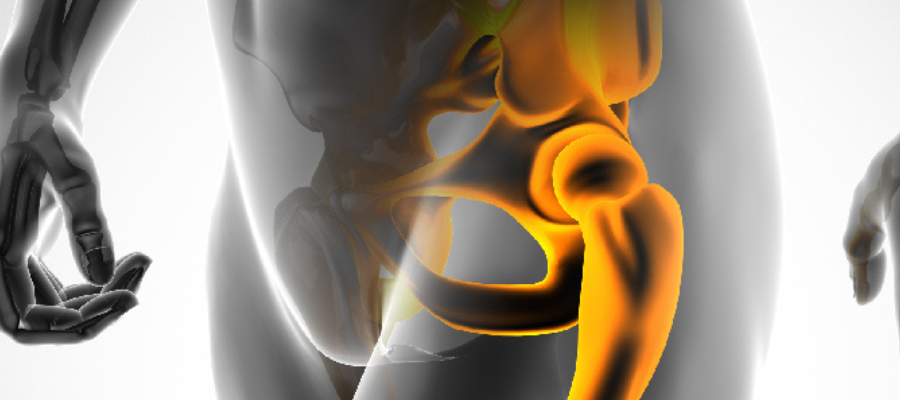
What is Total Hip Replacement?
If your hip has been damaged by arthritis, a fracture, or other conditions, common activities such as walking or getting in and out of a chair may be painful and difficult. Your hip may be stiff, and it may be hard to put on your shoes and socks. You may even feel uncomfortable while resting.
Common Causes of Hip Pain :
- Osteoarthritis- This is an age-related “wear and tear” type of arthritis usually occurs in people 50 years of age. The cartilage cushioning the bones of the hip wears away causing hip pain and stiffness.
- Rheumatoid arthritis- This is an autoimmune disease in which the synovial membrane becomes inflamed and thickened.
- Post-traumatic arthritis- The cartilage may become damaged and lead to hip pain and stiffness over time.
- Avascular necrosis- An injury to the hip, such as a dislocation or fracture, may limit the blood supply to the femoral head. The lack of blood may cause the surface of the bone to collapse, and arthritis will result.
- Childhood hip disease- Some infants and children have hip problems. This happens because the hip may not grow normally, and the joint surfaces are affected.
Possible Complications
Although uncommon, when these complications occur they can prolong or limit full recovery.
- Infection- Infection may occur superficially in the wound or deep around the prosthesis. Minor infections of the wound are generally treated with antibiotics.
- Blood Clots- Blood clots can be life-threatening if they break free and travel to your lungs. Your orthopaedic surgeon will outline a prevention program which may include blood thinning medications, support hose, inflatable leg coverings, ankle pump exercises, and early mobilization.
- Leg-length Inequality- Sometimes after a hip replacement, one leg may feel longer or shorter than the other.
- Dislocation- This occurs when the ball comes out of the socket. The risk for dislocation is greatest in the first few months after surgery while the tissues are healing.
- Loosening and Implant Wear- . This is most often due to everyday activity. It can also result from a biologic thinning of the bone called osteolysis.
Recovery
The success of your surgery will depend in large measure on how well you follow your orthopaedic surgeon’s instructions regarding home care during the first few weeks after surgery
- Wound Care- You may have stitches or staples running along your wound or a suture beneath your skin. Avoid getting the wound wet until it has thoroughly sealed and dried.
- Diet- A balanced diet, often with an iron supplement, is important to promote proper tissue healing and restore muscle strength. Be sure to drink plenty of fluids.
- Activity- Exercise is a critical component of home care, particularly during the first few weeks after surgery. Some discomfort with activity and at night is common for several weeks.
Prevention
- Preventing Infection- A common cause of infection following hip replacement surgery is from bacteria that enter the bloodstream during dental procedures, urinary tract infections, or skin infections.
- Avoiding Falls- A fall during the first few weeks after surgery can damage your new hip and may result in a need for more surgery. Stairs are a particular hazard until your hip is strong and mobile. You should use a cane, crutches, a walker, or handrails or have someone help you until you improve your balance, flexibility, and strength.
Common FAQs
Total hip replacement is usually recommended when hip pain and stiffness are severe and do not improve with medicines, physiotherapy, or lifestyle changes. It is commonly advised for advanced arthritis, hip joint damage, or when daily activities like walking, sitting, or climbing stairs become very difficult.
Modern hip replacement implants are designed to last many years. Most hip replacements last 15 to 25 years, and some can last even longer depending on activity level, weight, and overall health. Regular follow-up and avoiding high-impact activities can help increase implant life.
Most patients start walking with support within a few days after surgery. Basic daily activities usually improve within 4–6 weeks, while full recovery and strength improvement can take a few months depending on age, fitness, and rehabilitation exercises.
Yes, most patients experience significant pain relief and improved mobility after surgery. Many return to normal daily activities and low-impact exercises like walking, swimming, or cycling after recovery and physiotherapy.
Total hip replacement is a commonly performed and generally safe surgery. However, like any surgery, there can be risks such as infection, blood clots, implant loosening, or stiffness. Choosing an experienced surgeon and following rehabilitation advice helps reduce complications.